
The three machine families
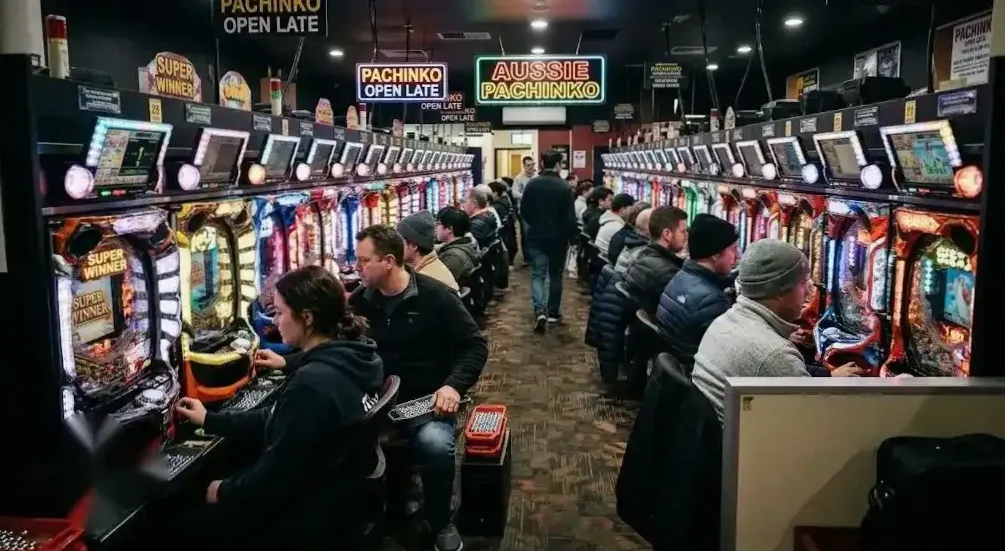
Every machine on our floor falls into one of three families. The classics — older units, simple mechanics, gentle payouts — are where beginners should live. They feed steadily, cost less to learn on, and teach you the physical fundamentals without the noise of modern features.
The mid-range machines carry the bulk of the floor: modern units with video screens, feature rounds and moderate variance. This is the daily-driver family — where most regulars spend most sessions, and where the sweet spot of entertainment per dollar usually lives.
The towers are the high-variance flagship machines — bigger swings, longer odds, louder sequences. They're the machines jackpot nights use, and they're where players go when they want drama. They are also where credit disappears fastest. Respect them.
The right machine isn't the lucky one — it's the one whose rhythm matches your evening.
Matching machine to mood
Match the machine to your evening, not the other way around. Relaxed session with a friend and a couple of hours? Classics. Competitive head-to-head or practicing for Thursdays? Mid-range units in the tournament spec. Want the full adrenaline experience? Towers — but go in with a hard budget and mean it.
Your budget should pick the family too. As a rough rule of thumb: a $40 session on a classic can last an evening, on a mid-range machine a couple of hours, and on a tower... sometimes twenty minutes. Know which conversation you're having with the machine before you sit.
Reading a machine before you sit
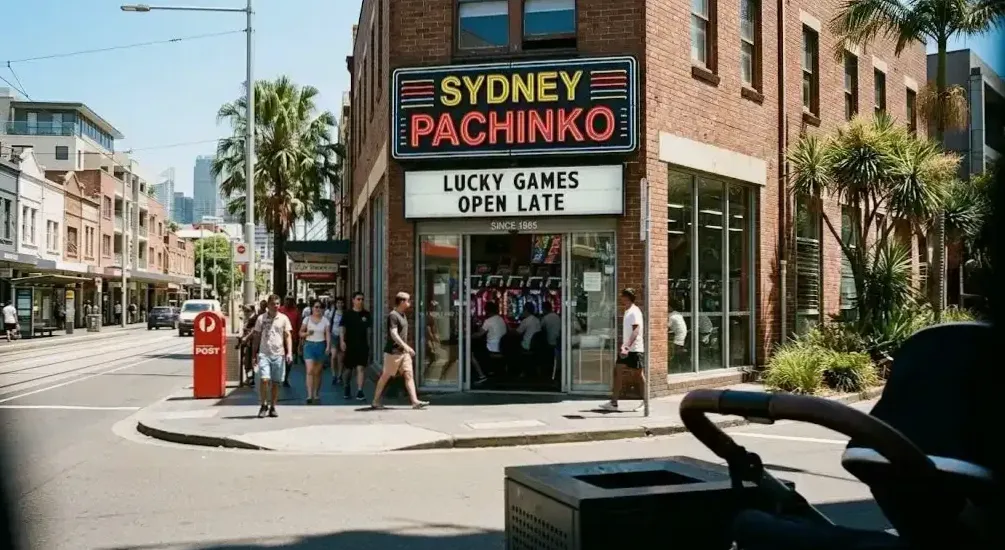
Watch the payout rhythm. Stand behind a machine for two minutes and count how often the centre pocket feeds — a machine in a generous phase has a visible tempo to it. Cold machines look exactly the same but feed nothing.
Check the session history display if the unit has one — most modern machines show their recent payout pattern. It's not a guarantee of anything, but it tells you whether the machine has been quiet or active in the last hour.
And the honest shortcut: ask a host. Floor staff watch these machines run all day, every day. 'What's feeding well tonight?' is a question they hear constantly, and they'll point you at a row that's been kind. Ten seconds of asking beats twenty minutes of watching.
Key takeaways
- Classics for learning, mid-range for regulars, towers for drama
- Let your budget pick the machine family
- Two minutes of watching tells you more than the screen does
- Asking a host is the fastest intelligence on the floor
Related reading at the club
Written by
Kenji Watanabe
Platinum member and volunteer tournament marshal