The origins in Japan
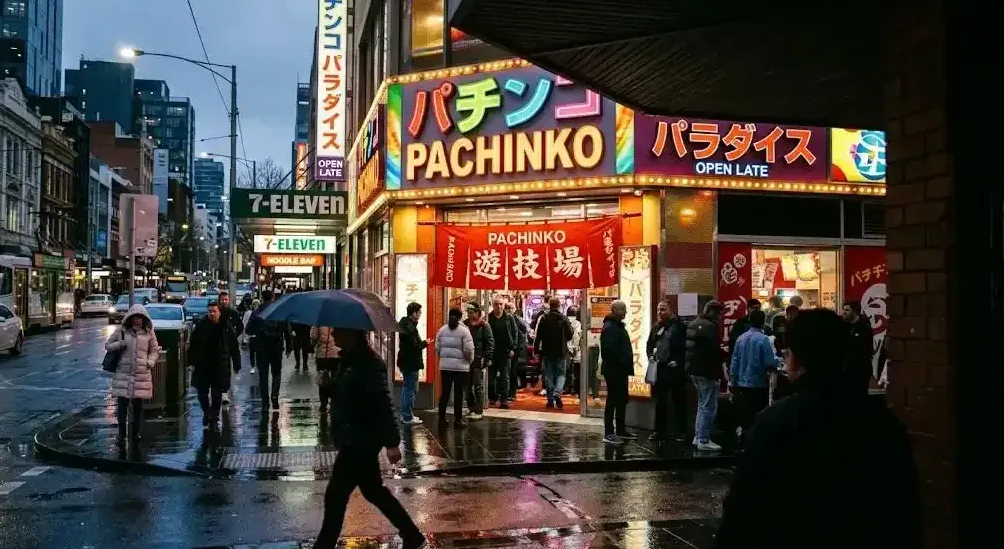
Pachinko started as a children's toy — a vertical pinball derivative imported to Japan in the 1920s, built into machines that sat in sweet shops and awarded sweets to children who dropped balls into the right pockets. The name comes from 'pachin', the sound of a ball striking a nail.
The adult version emerged after the Second World War. Nagoya machine shops began building commercial units for a recovering population with money to spend and few places to spend it. By the 1950s, dedicated parlours were opening across the country.
Japan's gambling prohibition created the industry's defining workaround. Cash payouts were illegal — so parlours paid in prizes, and a secondary market of nearby shops bought those prizes back for cash. The arrangement became the legal architecture the entire industry still operates under.
Every era of pachinko is the story of what a city needed at the time. Perth needed a night out that wasn't a pub.
The golden age and its decline
The industry's peak in the 1990s is difficult to overstate — at its height, pachinko revenue exceeded that of Japan's entire automobile export industry. Parlours numbered in the tens of thousands; the machines dominated Japanese streetscapes the way convenience stores do today.
The decline came from the inside out: an aging player base, tightening regulation, and competition from digital entertainment that ate the younger generation whole. Parlour numbers have halved since 2000. What survived is a leaner, more sophisticated version of the culture.
How pachinko reached Perth
The survivors share a recognisable formula — better machines, genuine hospitality, loyalty programs, and venues designed as social spaces rather than gaming warehouses. The industry's future belongs to the places that understood pachinko was never really about the balls.
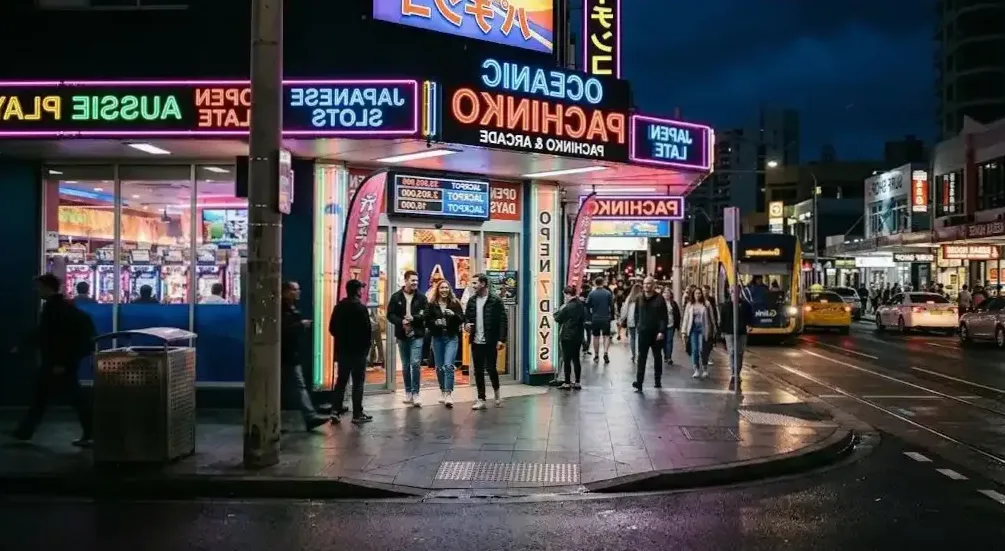
Pachinko existed in Australia mostly as a novelty — machines imported for themed restaurants and the occasional arcade. The dedicated club concept arrived here in 2019 when our founders, after a research trip through Nagoya's remaining great parlours, decided Perth's late-night culture had room for something the city had never had.
The club was built on the post-decline formula from day one: a licensed amusement and rewards model, a serious izakaya, a loyalty program that pays back, and a floor designed as a social venue. Six years on, the membership roll says it worked — Perth, it turns out, was ready for a second living room.
Key takeaways
- Pachinko began as a children's arcade toy in the 1920s
- The prize-redemption model came from gambling prohibition
- The 1990s peak was bigger than Japan's car exports
- Modern parlours survive by being social venues first
Related reading at the club
Written by
Kenji Watanabe
Platinum member and club historian