
The mechanical difference
A slot machine is a computer with a lever — you press a button, a random number generator decides the outcome, and the reels are theatre displaying what was already determined. The input is binary: bet or don't bet.
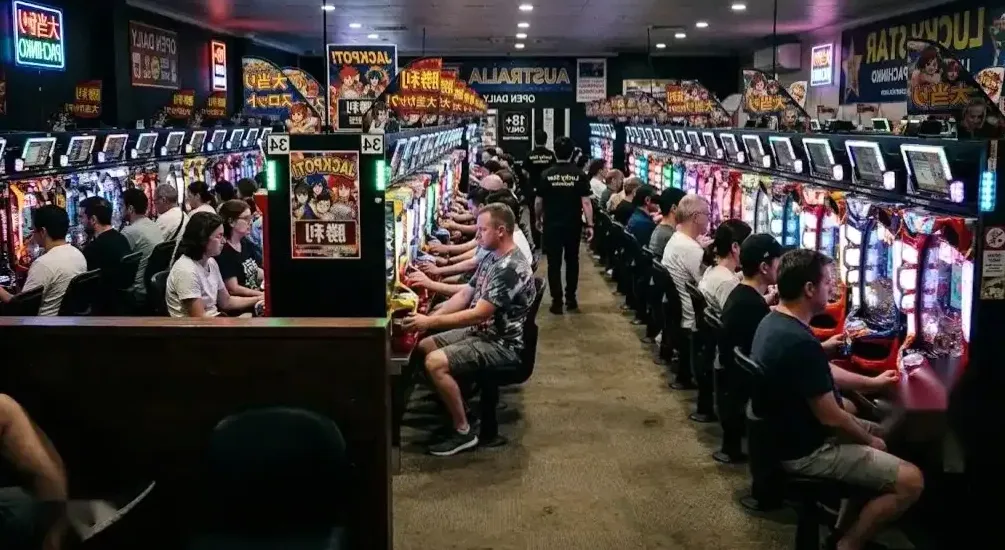
A pachinko machine is physics with a dial. You control launch strength continuously; balls enter a field of physical nails; where they land is the honest product of gravity and the dial in your hand. The machine's digital screen reports results — it doesn't decide them.
The payout differs fundamentally too. Slots pay in credits directly tied to a money value. Pachinko pays in balls — physical objects you collect, redeem for prizes, and exchange within a legal framework that makes the whole thing an amusement industry rather than a casino floor.
Slots ask nothing of you. Pachinko asks you to learn the machine — and gives you something back for the effort.
The skill argument
The honest version: pachinko has a skill element and slots don't. Dial technique, machine reading, session discipline — these genuinely change your results over time in pachinko. Slot players who talk about 'strategy' are mostly describing bankroll management, which is discipline, not skill.
But don't oversell it — pachinko skill shifts your odds at the margins, it doesn't flip them. A machine in a cold phase will eat a skilled player's credit nearly as fast as a beginner's. The difference shows over months of sessions, not in a single evening.
Which experience suits you
Where slots genuinely have the edge is simplicity — there's nothing to learn, and for some people that's the point. Pachinko asks you to engage with it. Whether that's a feature or a barrier depends entirely on what kind of player you are.
Choose slots if you want passive entertainment — a background activity while you drink and chat. Choose pachinko if you want a game — something with a learning curve, a community, and a floor culture that rewards paying attention.
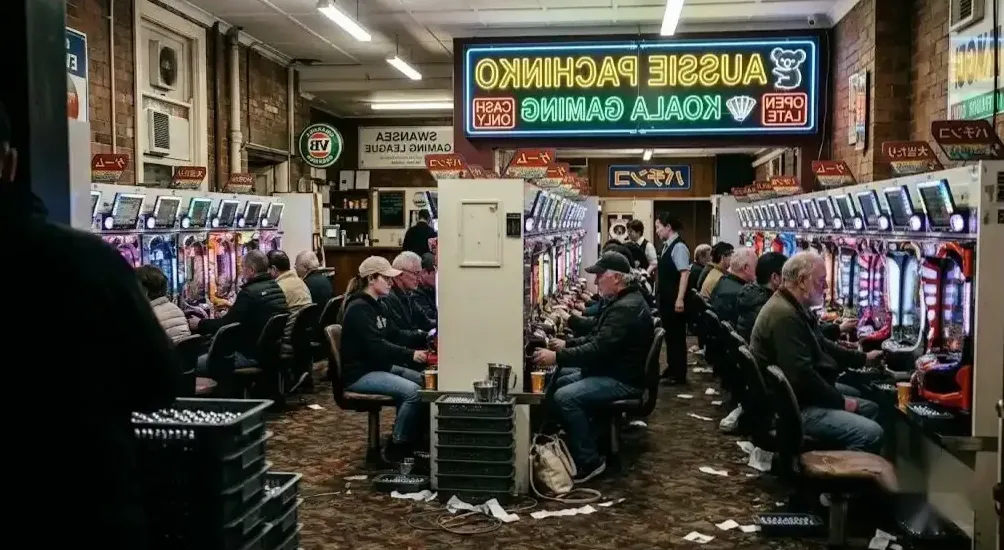
The other difference is the venue itself. Slot floors are casinos — designed to keep you seated and isolated. A pachinko parlour is a social hall — the izakaya, the tournaments, the regulars, the cage ritual. You're choosing between a transaction and an evening.
Key takeaways
- Slots are pure RNG; pachinko is physics plus input
- Dial technique is a real skill with real effects
- Skill matters over months, not in one session
- The parlour culture is a different venue experience entirely
Related reading at the club

Written by
Marco Deluca
Events coordinator and former casino dealer